



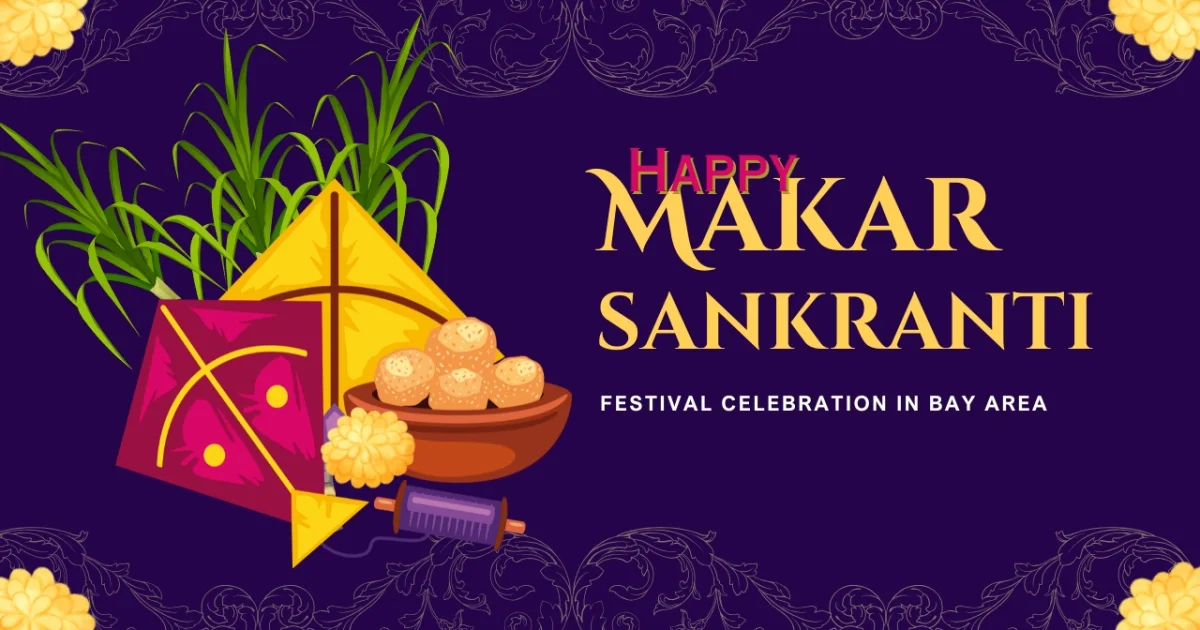
Do you remember 14 January every year back home? You seem to do so. And, how can you even forget the day of Makar Sankranti in Bay Area? Vibrant memories of religious rituals, family and friends getting together must be fresh in your mind. You must have sang and danced with them, lit the bonfire, flown kites, and enjoyed delicious traditional dishes. Memories of these fun and exciting moments must prompt you to experience happiness this year, too.
You indulged in the excitement. But, have you ever tried to know why Indians celebrate the festival? Remember, Makar Sankranti in Bay Area is not old in years but in ages. And, its celebration is based on its astronomical and seasonal significance.
Astronomically, the sun starts its northward journey on this day. So, it enters Makar (the Capricorn), hence the name–Makar Sankranti. The entry is also called Uttarayan. Seasonally, winter ends and summer arrives.
Interestingly, there are notable peculiarities of the day. One, it represents a departure from the traditional trend of calculating Hindu festivals based on the lunar cycle. Instead, it is based on the sun’s positions. Two, day and night durations are the same on this day.
Besides, there is also another angle to the festival. The farming community thanks nature for their produce. They call it the festival of harvesting. For them, a new agricultural cycle begins.
You are likely to address the festival by a different name other than Makar Sankranti. The name you call it depends on which part of India you belong to. People in the country’s northern, southern, eastern, or western parts call it by different names. So, you will call the festival:
Lighting the bonfire after sunset is the most sacred part of the celebrations. People gather around the fire with devotion, excitement, and warmth. That fills the atmosphere with joy and enthusiasm. Happiness multiplies, and bonds strengthen. Those gathered enjoy singing traditional songs and performing dances. Participants make offerings to the fire in gratitude for the harvest. The offerings commonly include sesame seeds, jaggery, and groundnuts.
Vibrant dances spread joy and excitement. They depict the success of agricultural activities. The music of traditional instruments multiplies the festive spirit. With other people joining, claps and cheers enhance the vibrancy of the atmosphere. That also fosters unity among people of different communities. Traditional attire of dancers add colorfulness and showcases the rich cultural diversity.
Home-made sweets are a special flavour to the celebrations. Traditional ones, like laddoos and chikkis, delight every participant. A sense of togetherness prevails with their taste and sweetness. Offering sweets to others keeps the cultural traditions alive. Broadly speaking, traditional sweets impart joy and warmth to people. As such, the collective joy multiplies.
The sight of beautiful kites filling the sky cannot keep you away from participating. It is a colourful tradition of the festival. Flying kites not only brings fun but also a sense of togetherness. People gather on the ground and on the rooftops to enjoy the kite flying competitions. The vibrancy evokes laughter and joy among people.
Understandably, the festival celebrations cannot be complete without delicious food. Traditional dishes, such as rice, lentils, and vegetables, are an important part of the celebrations. They also bring people together in a joyful way. That naturally brings warmth and a deep sense of unity.
1. Why should Indians in the USA celebrate Makar Sankranti in the Bay Area together?
The celebration allows you to be involved in India’s traditional festival. That helps to recreate the warmth of home, strengthen cultural bonds, and foster a sense of belonging.
2. What can I expect at Bay Area Makar Sankranti celebrations?
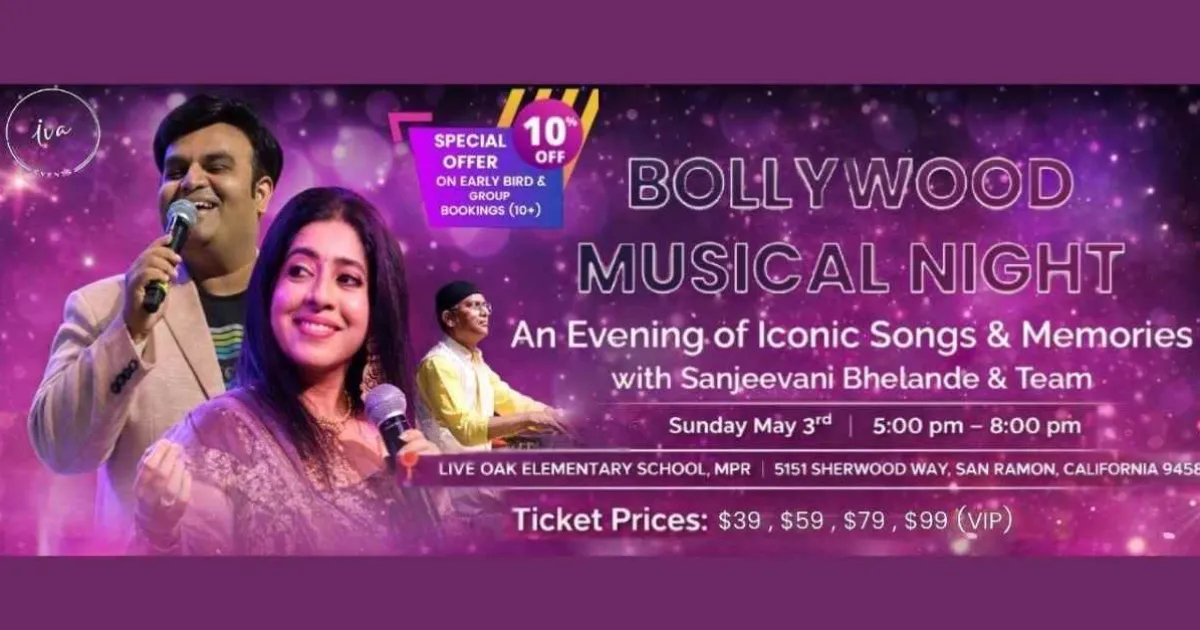
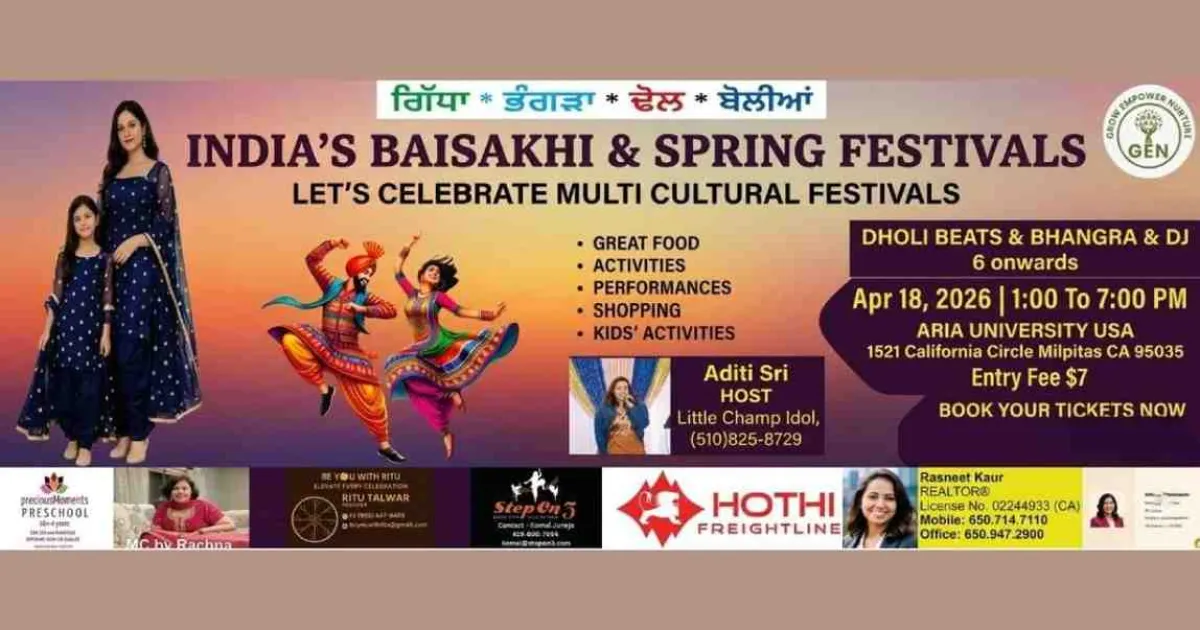
You will have the opportunity to gather around the bonfire, participate in dance and musical performance, and enjoy a variety of homemade sweets and foods.
Makar Sankranti in Bay Area
For Indians living in the USA, Makar Sankranti in Bay Area is a day to come together, enjoy, and experience Indian traditional values. The festival is also an opportunity to experience a sense of belonging with your fellow countrymen. You often miss that while living far away from your native home. So, come, participate, and celebrate with a sense of joy and cultural tradition.